Pantries do not fall apart because people are messy. They fall apart because things live where they fit on the day they arrived, instead of where you stand when you use them. This reset takes one weekend morning, costs less than a grocery run if you keep it lean, and builds a shelf system that survives because every zone matches a real habit you already have.
The plan is written for a standard reach-in pantry — five shelves, roughly 36 inches wide and 16–20 inches deep — but the zone logic transfers to cabinets and open shelving without changes.
The one rule and the five zones
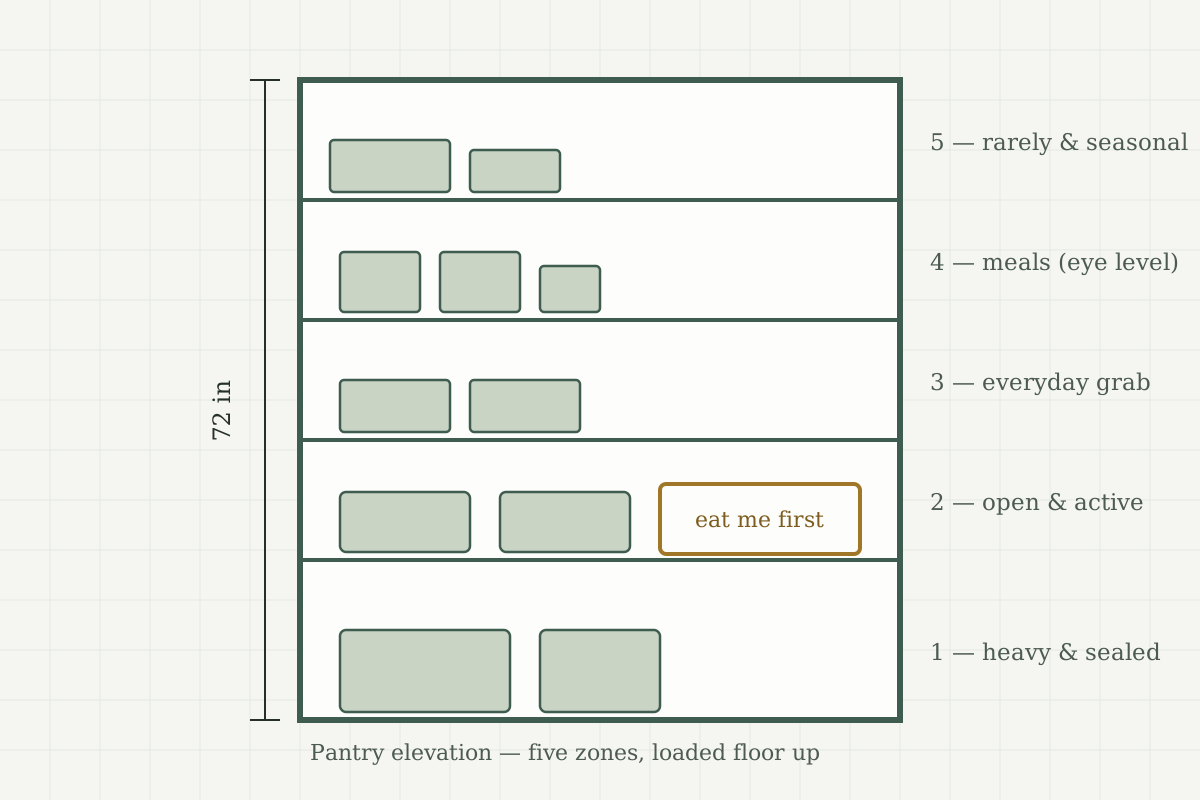
Eye level is for decisions, waist level is for actions, floor is for weight. From top shelf down:
| Shelf | Zone | What lives there |
|---|---|---|
| 5 — top | Rarely & seasonal | small appliances, holiday tins, bulk backstock |
| 4 — eye level | Meals | the ingredients you cook with most weeks: pasta, rice, oils, canned staples |
| 3 — chest | Everyday grab | breakfast, snacks, bread, the things kids and guests hunt for |
| 2 — waist | Open & active | opened packets in bins, baking zone, "eat me first" basket |
| 1 — floor | Heavy & sealed | drinks, pet food, root vegetables in a ventilated bin |
The "eat me first" basket on shelf 2 is the quiet hero of this plan: every opened packet and every close-to-date item goes in it, and dinner planning starts there. It is the difference between an organized pantry and a museum of expired food.
What to buy (and what to skip)
You need fewer containers than the container aisle wants you to believe. For a five-shelf pantry: six medium clear bins (about 11 × 8 × 6 in) for shelf 2 and the snack zone, two deep bins for the floor, one lazy susan (10–12 in) for oils and sauces, and a marker-friendly label set. That is the $40 version, and it is enough.
Skip, at least until the system has survived a month: matching decanting jars for everything (decant only flour, sugar, rice, and cereal — the things you buy in bags that don't reseal), shelf risers you haven't measured for, and any container without a flat stackable lid.
The 3-hour reset, step by step
- Empty the entire pantry onto the counter or table. Everything. A half-emptied pantry reorganizes itself back into the old mess within a week.
- Check dates as you unload. Three piles: keep, "eat me first", and bin. Expired spices count.
- Wipe the shelves and let them dry while you group the keep pile into the five zones above.
- Load from the floor up — heavy items first, then waist, chest, eye, top. Loading top-down makes you cheat the zones to avoid re-lifting.
- Bin the loose packets on shelf 2, one category per bin: baking, sauces and packets, snacks, breakfast.
- Label shelves and bins, not individual items. Labels are for the other people in the house; write what they would look for, not what a magazine would write.
- Photograph the finished pantry. Stick the photo inside the door — it is the reset map for the next tidy-up, which now takes ten minutes instead of three hours.
Keeping it: the ten-minute weekly loop
Once a week, before the grocery shop: pull the "eat me first" basket to the front, return strays to their zones, and note what shelf 4 is missing. That loop is the whole maintenance system. If a zone keeps overflowing, the zone is drawn wrong for your household — move its boundary one shelf and relabel, don't fight it.
If your pantry is a cabinet or one narrow closet
The zones compress but keep their order: decisions at eye level, action at waist, weight at the bottom. In a single narrow closet, give each zone half a shelf and put the "eat me first" basket dead center at chest height where it cannot be ignored. The system cares about heights, not square footage.